Hot Tub Efficiency: Choosing the Right Location for Lower Energy Use
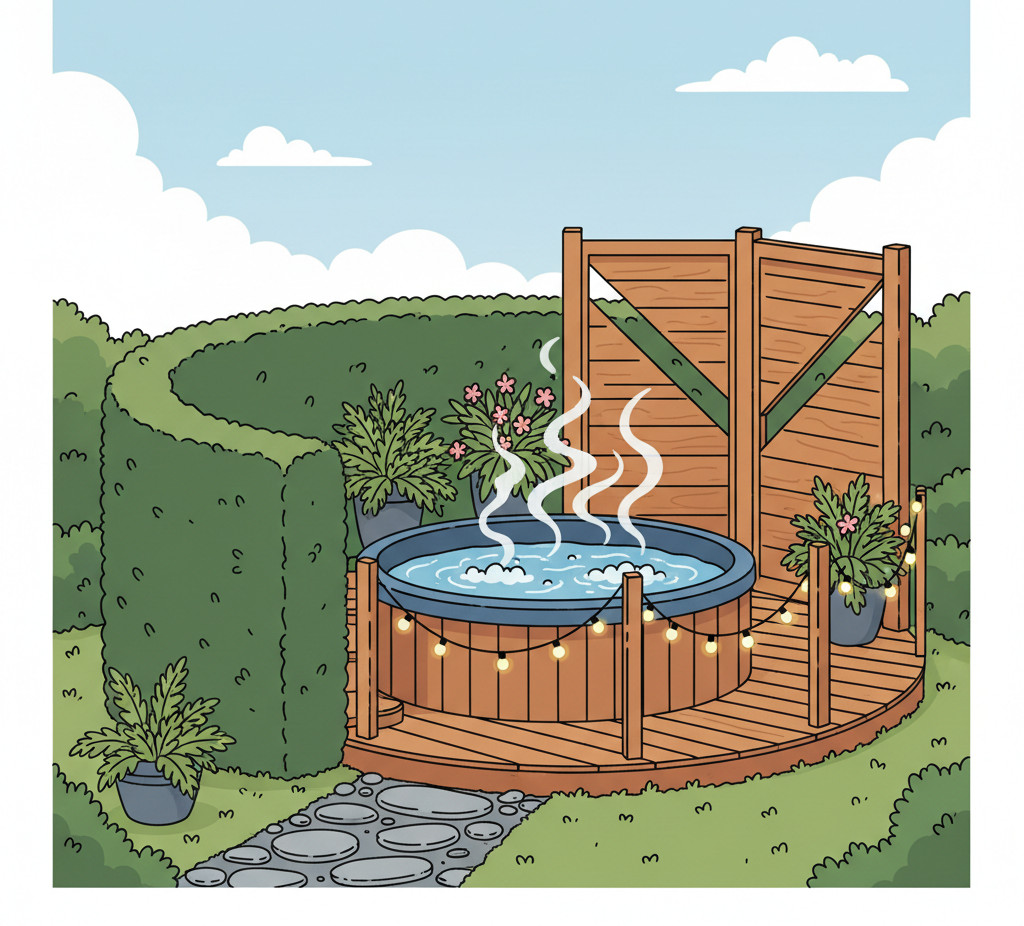
Choosing the right location for a hot tub can make a noticeable difference to energy consumption, running costs, and comfort. While insulation, covers, and efficient heating systems are important, the surrounding environment also influences how hard the heater must work. A well-selected position can help retain heat and create an outdoor space.
Consider Wind Exposure
Wind is one of the biggest environmental factors affecting heat retention. A hot tub placed in an exposed area can lose warmth more quickly around the cabinet. Positioning it near a suitable wall, fence, hedge, or windbreak can reduce direct exposure without completely enclosing the tub. Leave enough space for ventilation, servicing, and safe access. A sheltered location can help maintain water temperature while reducing unnecessary heating cycles.
Think About Sunlight
Natural sunlight can provide warmth in winter. Placing a hot tub where it receives direct sunlight during the day may help the surrounding area and cabinet stay warmer. South-facing or similarly sunny positions can be beneficial, depending on the property's layout. During hot weather, excessive sunlight can increase water temperature and make the tub uncomfortable. A cover or shade can help balance warmth, protection, and usability.
Choose a Stable Surface
The ground beneath a hot tub affects safety and heat management. A level, strong foundation helps the tub remain stable and prevents uneven pressure on its structure. Concrete, reinforced decking, or another suitable base can provide support. Avoid locations where standing water, poor drainage, or shifting ground could create problems. Keeping the cabinet away from wet conditions can support durability and reduce maintenance concerns.
Reduce Heat Loss Around the Tub
Location planning should include enough room for the hot tub cover to be opened and stored properly. A high-quality, well-fitted cover is essential because it limits heat escaping from the water when the tub is not in use. Avoid placing the tub where falling leaves, debris, or branches could land on the cover. Keeping the surrounding area clean makes maintenance easier and helps the cover seal effectively.
Plan for Utilities and Maintenance
A convenient location can reduce practical problems and encourage consistent maintenance. The tub should be positioned within reach of the electrical supply, while electrical work must follow local regulations and be completed by a qualified professional. Drainage should be considered so water can be removed safely during cleaning or servicing. Leave clearance around access panels so technicians can inspect equipment easily.
Balance Privacy and Airflow
Privacy can make a hot tub more enjoyable, but surrounding it tightly can restrict airflow and make maintenance difficult. Screens, fencing, or landscaping can provide privacy while still allowing ventilation and access. Avoid placing the tub against structures unless installation requirements allow it. A balance between shelter, privacy, airflow, and service access creates an efficient setup.
Conclusion
The right location is a part of reducing hot tub energy use. By limiting wind exposure, using sunlight wisely, providing a stable base, protecting the cover, and planning utilities well, homeowners can create conditions that support efficient heating. These decisions can also improve convenience, equipment longevity, and enjoyment. When selecting a position, consider weather patterns, available space, drainage, and access before installation. Planning can contribute to better hot tub Efficiency while helping create a comfortable, cost-conscious outdoor retreat.


Comments